
Family Routines

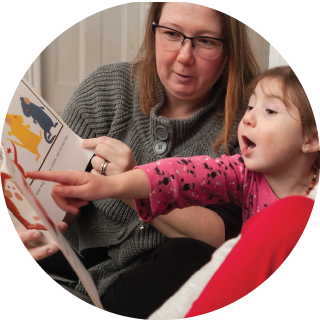
A girl excitedly points at a book and exclaims something.

Discussing the science behind the routines at home can spark your child’s curiosity and support their learning. A variety of tasks including sorting laundry, fixing things, and taking care of plants or pets provide opportunities for children to learn science and skills in a family context.

Sorting Laundry

When you invite your child to sort things like different colors and sizes of socks, you support their observation skills and introduce the science concept that items can be categorized and classified based on their characteristics.

For instance, you can encourage a child to group laundry by fabric type—like separating towels, jeans, and t-shirts—and talk about why some items get washed together. They might notice that some clothes are heavier or take longer to dry, sparking questions about materials and moisture.
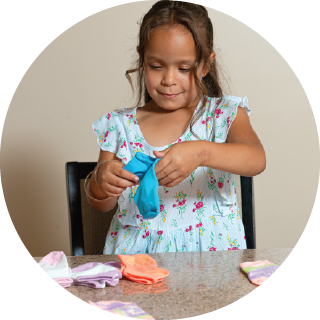
A girl sorts pairs of colored socks.

Taking Care of Living Things

Do you have house plants or do you belong to a community garden? Does your family have a pet bird, dog, cat, or other animal? Does your child help take care of the plants or pets?

Children love to listen to their grown-ups talk about what plants, animals (and children!)need to live, grow and thrive. And they love to hear stories about their family members’ own childhood experiences with plants or pets. You can help your child learn about living things and communicate the idea that nurturing plants and pets is important to you and your family.
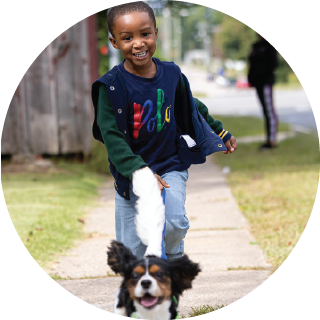
A boy smiles as he walks the dog.

At Bedtime

Do you read or share stories with your child at bedtime? Try reading and talking about a story with a science theme or one that illustrates children exploring different topics.  Look for books with interesting images that you and your child can look at and talk about together and wordless books that encourage families to make up their own science stories. Check out these two tip sheets for ideas about using two wordless books to talk with your child about science.

Tips for reading Changes, Changes
Tips for reading The Carrot Seed
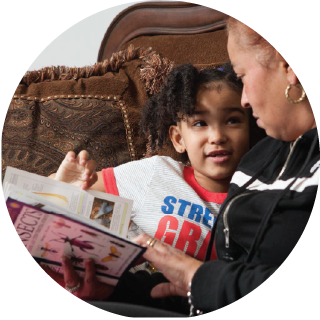
A boy looks up at an adult as they read a book.

Meals and Bath Time

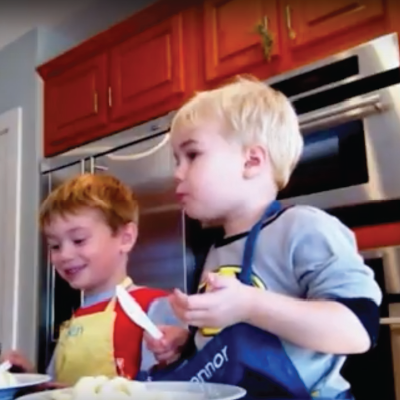
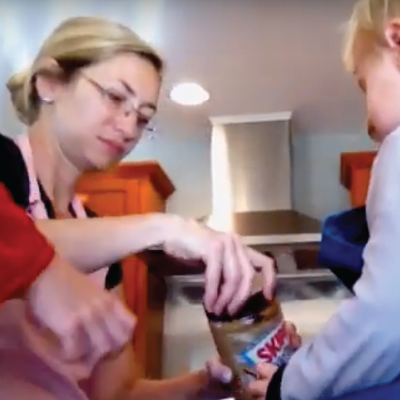
When you invite your child to notice and describe the different textures, flavors, and odors of the ingredients you use to prepare a meal, you support their abilities to observe and describe the world using all their senses. Thinking and talking with them about what happens when you mix, heat, or cool ingredients extends their thinking about measurement and how materials can change. Watch and listen as this family gets their three children engaged in food preparation.

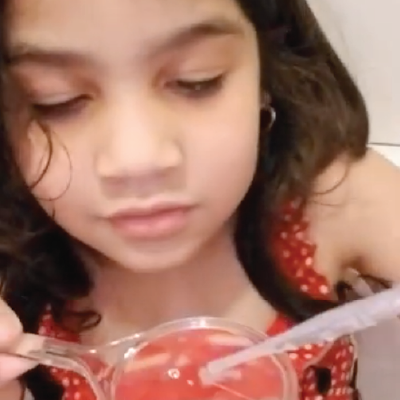
End-of-the day routines are a great time to do, think, and talk science. Children are fascinated by water and how it looks, moves, and flows. They enjoy pouring it, splashing it, testing how different toys sink or float in it, and noticing how their hands and feet look underwater. Sponges, washcloths, and basters are great tools for exploring how water moves and flows. The last video is of a preschooler and his school-age sister exploring water drops in the tub.

Banana Cutters

Toddler and PreK banana cutters

Mixing with Peanut Butter

Toddler and preK family mixing with peanut butter

Water Drops in Tub

A preschooler and his school-age sister explore water drops in the tub