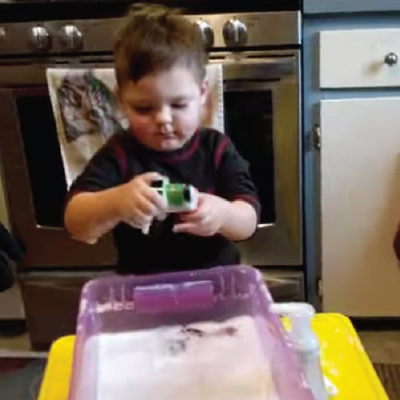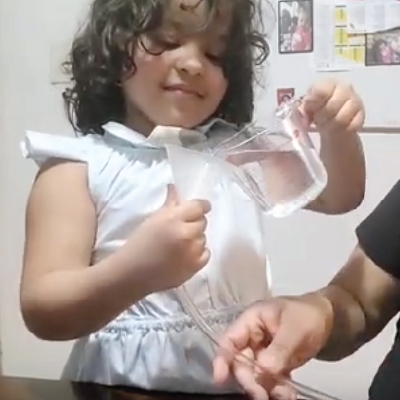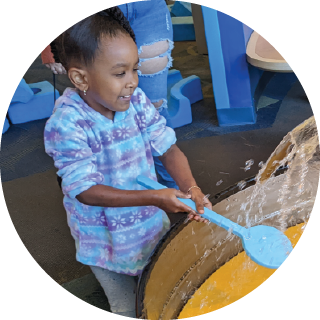

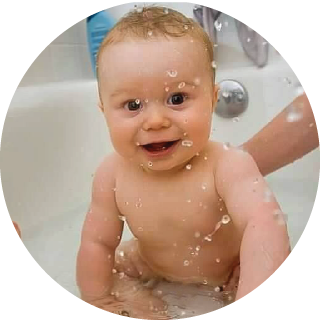
Bath time is full of chances for babies and toddlers to explore water in playful ways and learn with their senses. They might swish their hands through it, watch how it drips from fingers, or track ripples as they splash. Even simple actions like scooping water with a cup or squeezing a sponge reveal how water fills, empties, and changes shape. These moments of discovery help young children build early ideas about movement, texture, and cause and effect.
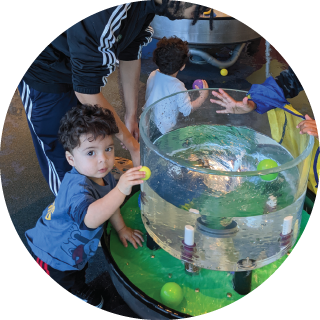
When kids drop different objects—like floating balls—into water, they begin to explore concepts like buoyancy, gravity, and density. They may test predictions about what sinks or floats and compare how quickly items rise or fall. This open-ended play encourages observation and curiosity, key components of scientific thinking. It also lays the groundwork for future learning about materials and their properties.
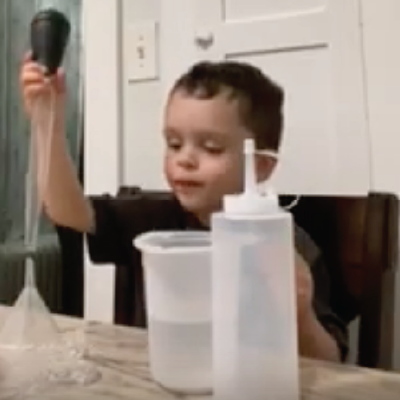
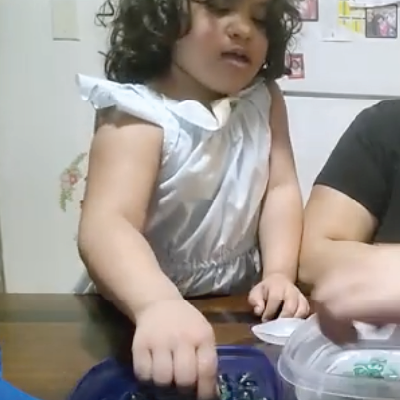
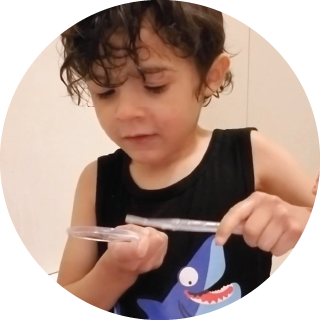
Using eye droppers to add or move water helps children develop fine motor skills while also learning about volume, air pressure, and measurement. They see how squeezing affects the flow and how water can be transferred or mixed. This kind of focused play encourages close observation and experimentation. It also introduces early ideas of control and precision in scientific inquiry.
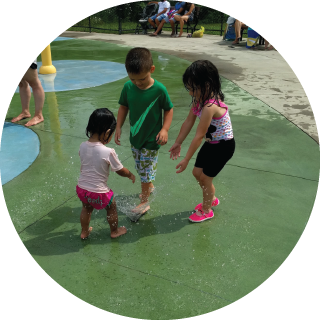
Splashing, sliding, and exploring water features at a park gives kids a fun, hands-on way to experience basic physical science. As water flows, sprays, and pools, children start to notice patterns in motion, pressure, and cause and effect. They might observe how water pushes them, how currents form, or how structures change the flow. These playful moments help build intuitive understandings of force and fluid dynamics.