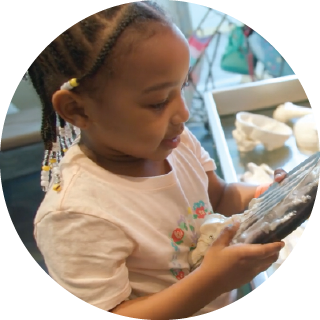
The activities and information here were built by passionate educators who understand the importance of early exposure to science.
Our team is committed to providing high-quality, hands-on resources that make learning science fun and accessible for young children. We believe that every child has the potential to become a budding scientist, and we are here to nurture that potential through our innovative approach to science education.
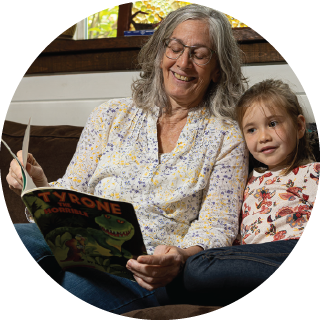
At FSL, we have developed an interactive learning approach that cultivates critical thinking and problem-solving skills in young learners. Our engaging science activities are designed to stimulate curiosity and exploration, laying a strong foundation for future academic success in STEM disciplines.
Our team of qualified educators is dedicated to continuous professional development, ensuring that we stay abreast of the latest educational research and best practices. We are committed to delivering the highest standard of science education, empowering children to embrace the wonders of the natural world.
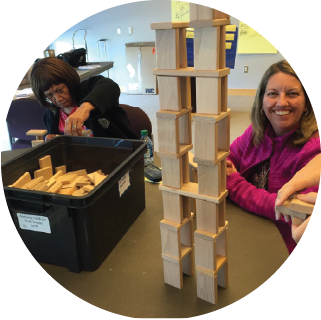
Effective professional development in science for teachers incorporates a hybrid model. FSL combines professional development in science along with the Young Scientist series teacher guides in a way that supports teachers’ ability to use the guides effectively.
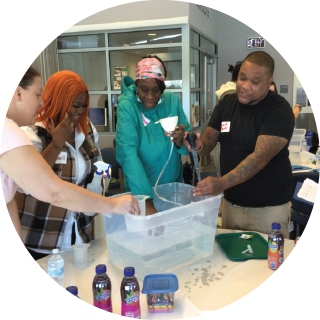
In order to do this, FSL incorporates instructional sessions, mentoring, and classroom-based assignments. During instructional sessions, instructors engage teachers in their own inquiry-based explorations of water, structures, and nature. They introduce teachers to research-based information on how children learn, and, in particular, how children learn science concepts, processes, and practices in the context of these three topics: