
Building and Moving Things

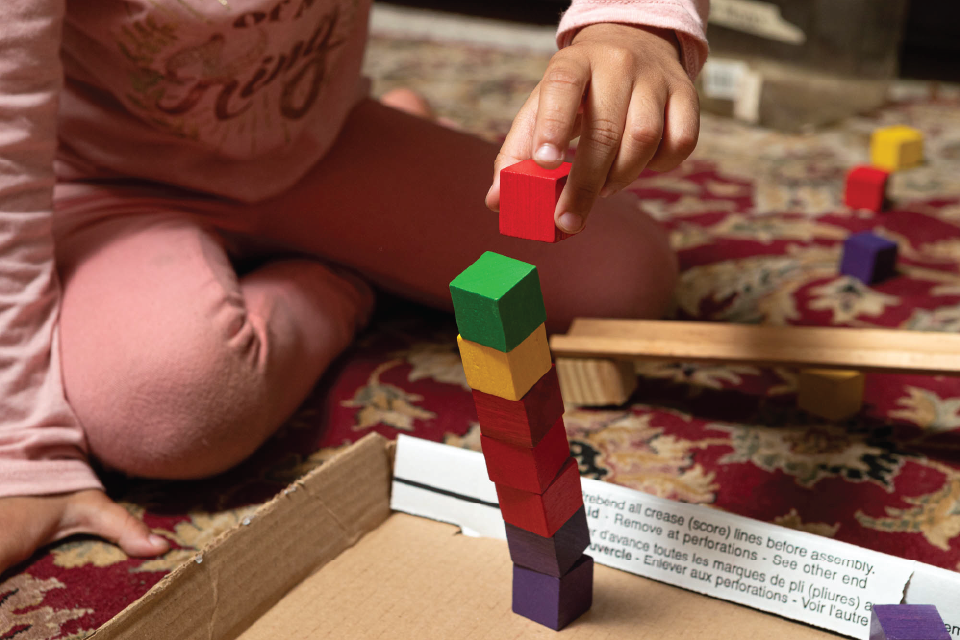
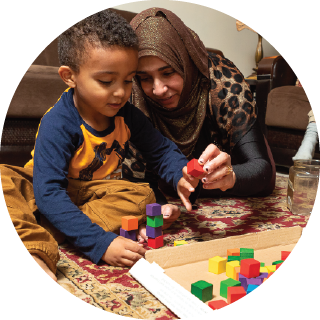
A mother and child examine a red building block.

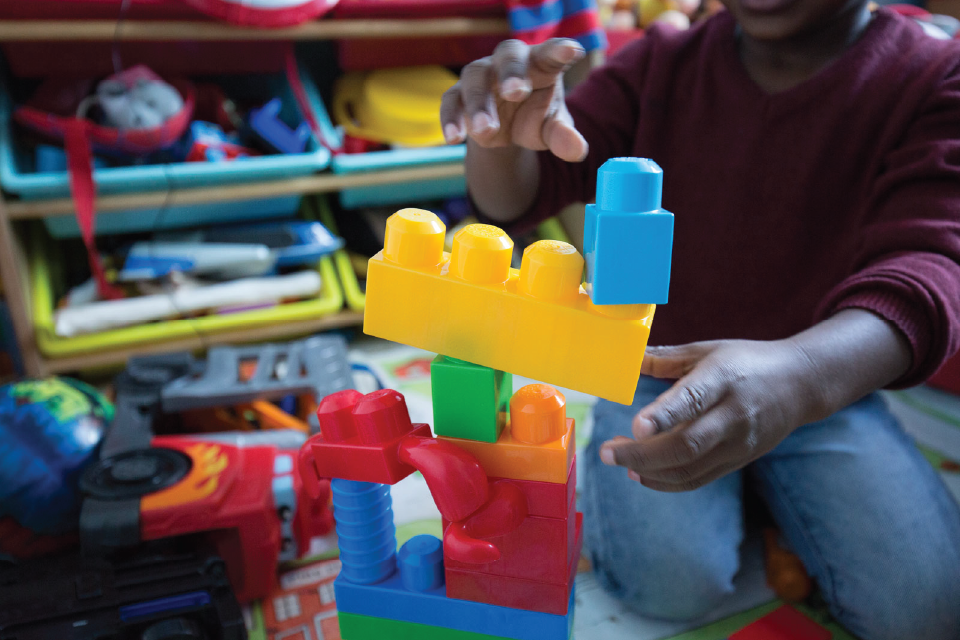
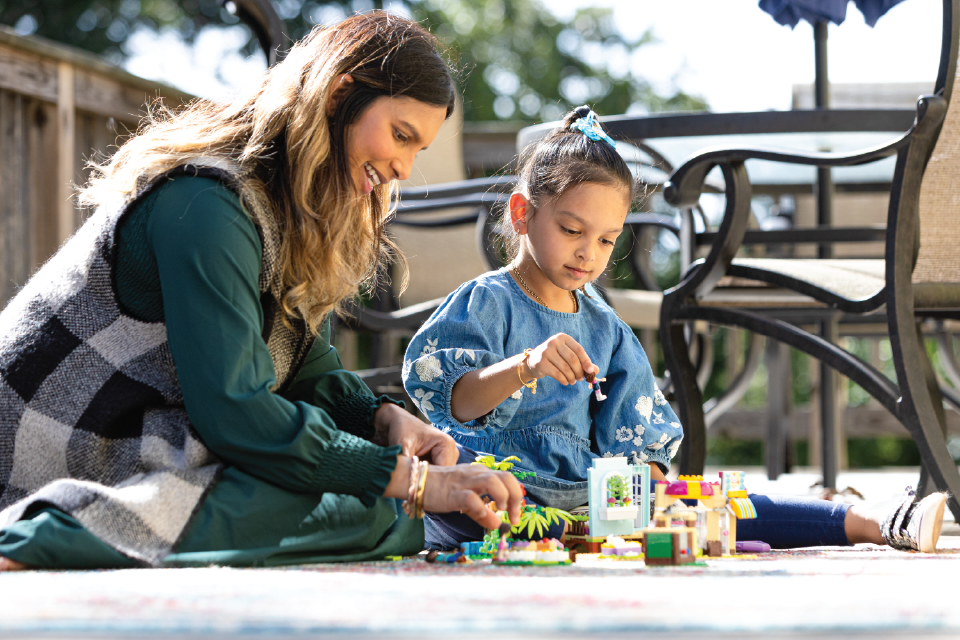
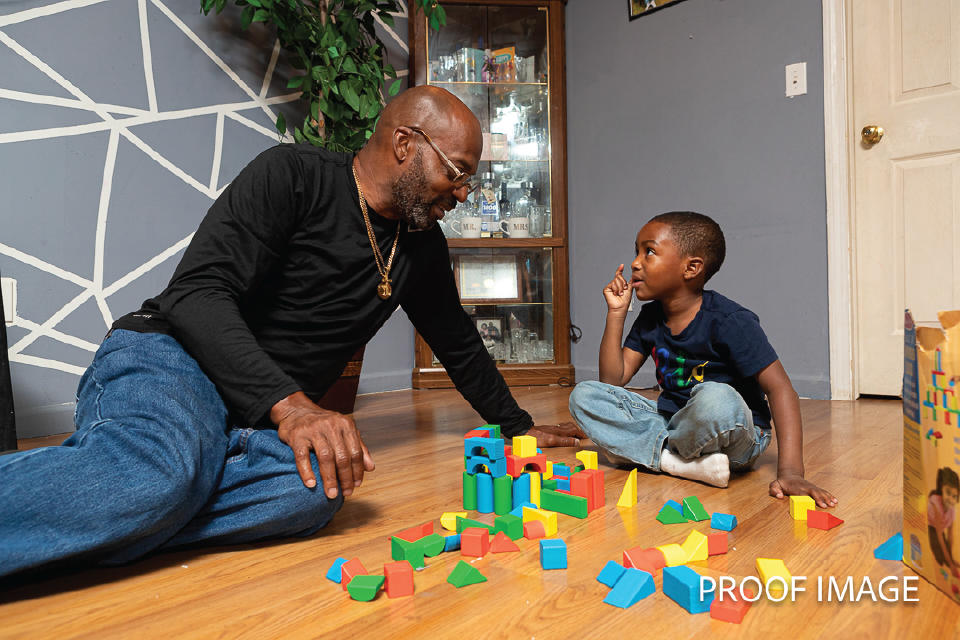
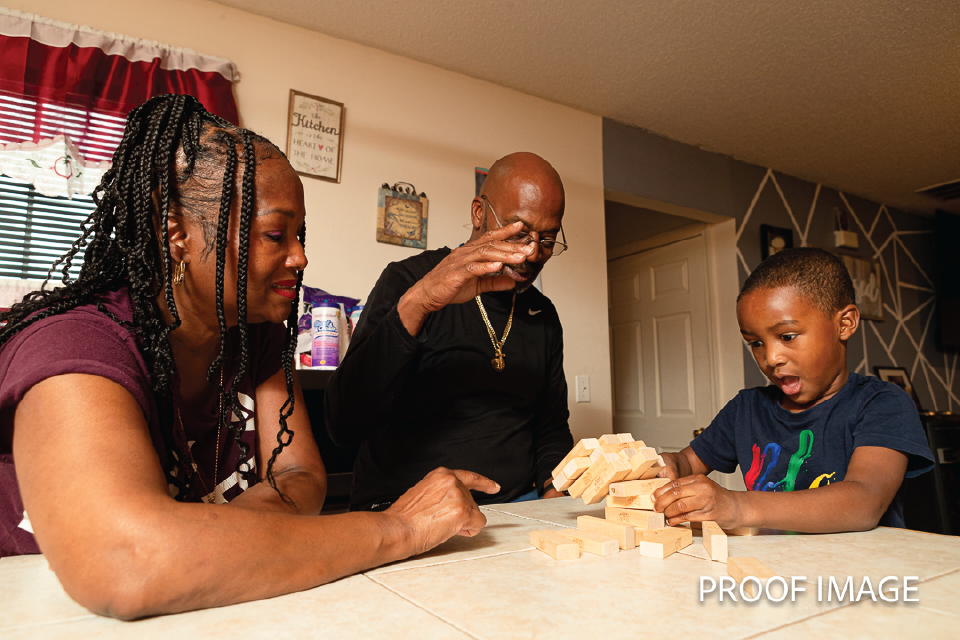
You’ve probably noticed that young children love to build and create with all kinds of things. When they stack blocks, arrange furniture for a fort, or tinker with cardboard and tape, they’re exploring balance, structure, and cause and effect. These hands-on experiences help them develop problem-solving skills, test ideas, and begin to understand how the physical world works.

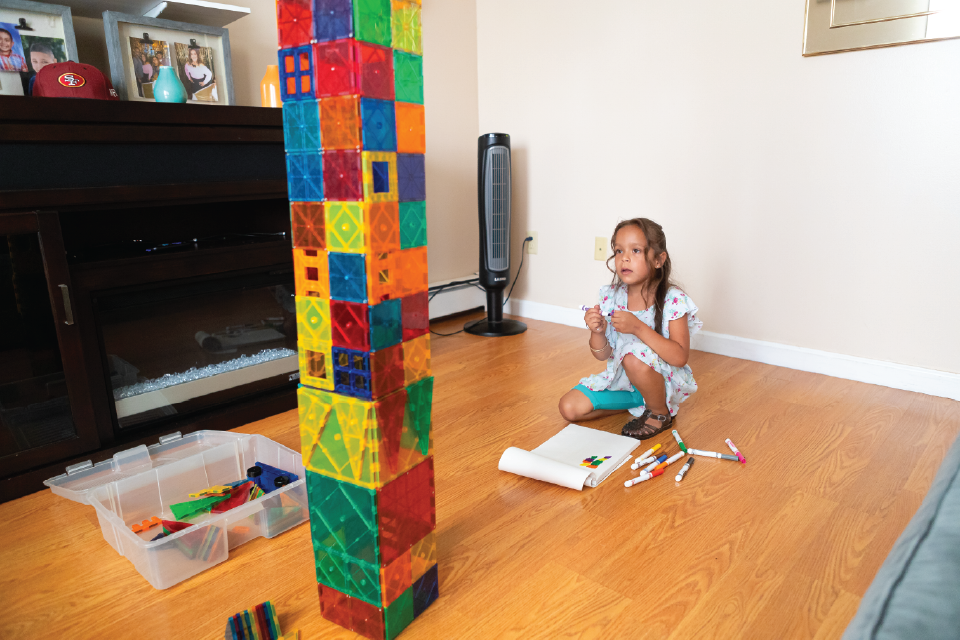
Magnetic Block Towers

When children build a tower with magnetic blocks, they experiment with balance, stability, and symmetry—key engineering concepts. They might notice that a wide base helps the tower stay upright or that adding too many blocks to one side causes it to topple, prompting them to revise their design. As they test and adjust, they practice prediction, observation, and perseverance—scientific habits of mind that lay the foundation for understanding force, structure, and spatial reasoning.
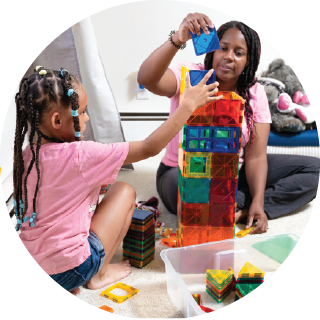
Two girls build a tower out of translucent blocks

Building with Household Materials

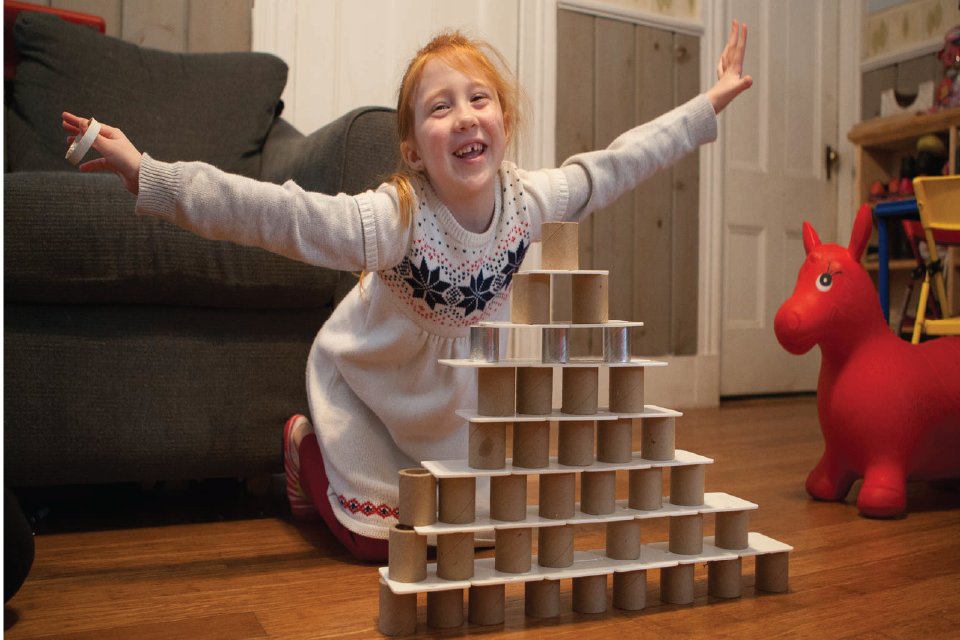
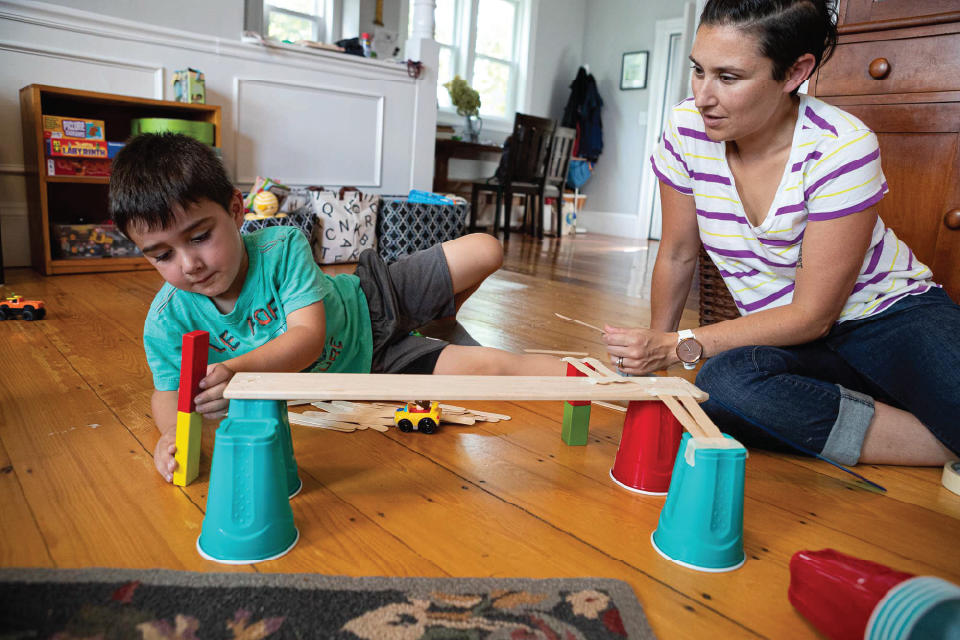
Building with different objects and materials  (which may be store-bought blocks, but also plastic cups and plates, tiles, cardboard boxes, craft sticks, and tape) supports children’s problem-solving skills.

As they figure out how to build, they engage in trial and error, test their predictions, and revise their plans. They also learn about material properties, such as which items bend or stack best, as well as spatial relationships, and structural design.
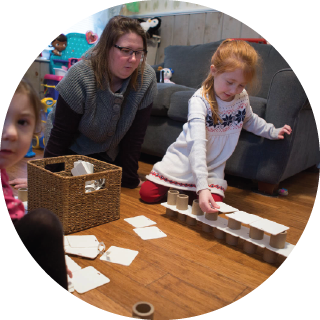
A girl begins to build a pyramid out of cardboard cylinders and cards

Older children enjoy creating structures with uncooked spaghetti and gumdrops, mini-marshmallows, toothpicks, and tongue depressors. As they build things like these straw rockets, they explore concepts such as force, motion, and aerodynamics.

They also experiment with design variables—like the length of the straw or the size of the fins—and practice scientific habits of mind such as making predictions, testing ideas, and revising their models to improve performance.
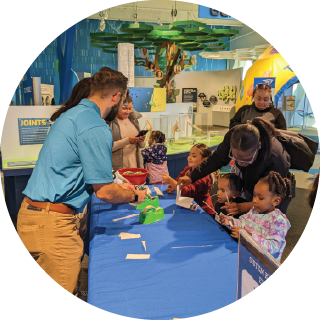
An adult hands out materials to several children at a science event

Ramps

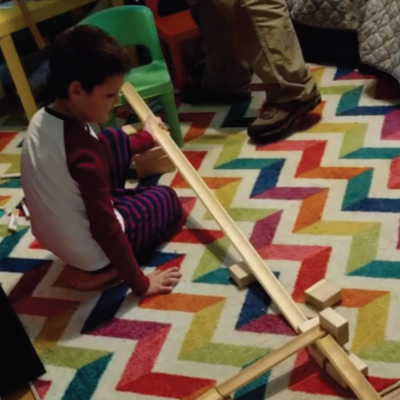
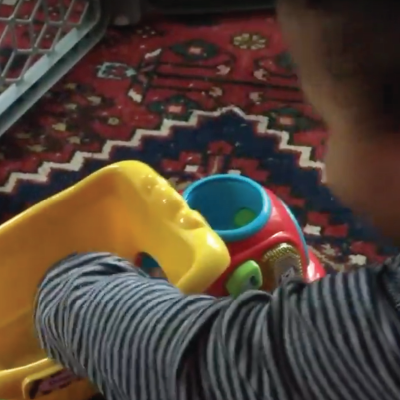
Children also enjoy building and experimenting with ramps to make toy cars, balls, and random objects slide, roll, stop, or collide with one another. Watch how this young infant repeats the same action to observe how the balls roll.  With more experience children’s structures, and the challenges they create for themselves, become more complex.

When you join in their play with blocks, balls, and other objects, and share your own questions and ideas, you support your child’s science and engineering thinking. You also nurture their interests and positive self-identities as capable builders, explorers, and problem-solvers.

Infant Explores Rolling

Infant explores rolling

7-Year-Old Explores a Ramp

7-year-old and family balls and ramps

Building and Creating Together

View this slideshow to explore moments of discovery and focus during the building process.